

Building Strength: Overcoming Post-Natal Fitness Challenges
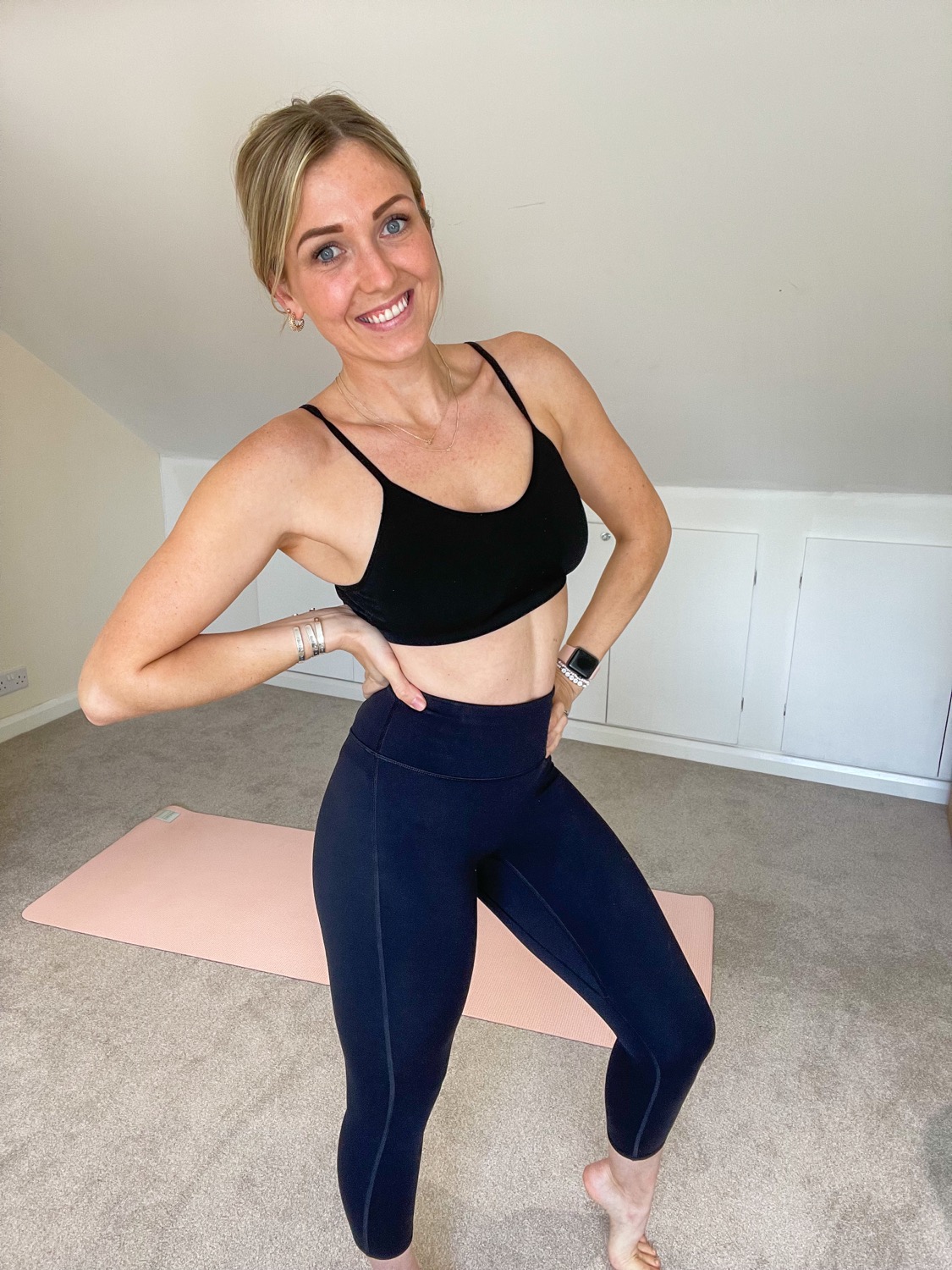
The journey of motherhood is a beautiful yet challenging experience. After giving birth, many women face a myriad of physical and emotional changes that can make returning to fitness feel daunting. The good news is that with the right approach, it is entirely possible to regain strength and confidence. This blog post will explore practical strategies for overcoming post-natal fitness challenges, helping new mothers build strength and reclaim their bodies.

Understanding Post-Natal Changes
After childbirth, a woman's body undergoes significant changes. These can include:
Hormonal fluctuations: Hormones like estrogen and progesterone drop significantly, which can affect mood and energy levels.
Physical recovery: The body needs time to heal from childbirth, whether it was a vaginal delivery or a cesarean section.
Muscle and joint adjustments: Pregnancy stretches and weakens core muscles, leading to potential issues like diastasis recti (separation of abdominal muscles) and pelvic floor dysfunction.
Recognizing these changes is the first step in creating a fitness plan that respects your body’s current state.
Setting Realistic Goals
One of the most common mistakes new mothers make is setting unrealistic fitness goals. Instead of aiming to lose weight quickly or achieve a specific body shape, focus on:
Gradual progress: Aim for small, achievable milestones, such as completing a certain number of workouts each week or increasing the duration of your exercise sessions.
Listening to your body: Pay attention to how your body feels during and after workouts. If something doesn’t feel right, it’s essential to adjust your routine accordingly.
Prioritizing health over aesthetics: Shift your focus from how you look to how you feel. Building strength and endurance should be the primary goal.
Creating a Supportive Environment
A supportive environment can make a significant difference in your post-natal fitness journey. Here are some tips to foster a positive atmosphere:
Involve family: Share your fitness goals with your partner and family. Their support can motivate you and help you stay accountable.
Join a community: Look for local or online groups for new mothers. Connecting with others who share similar experiences can provide encouragement and camaraderie.
Designate a workout space: Whether it’s a corner of your living room or a dedicated home gym, having a specific area for exercise can help you stay focused and committed.
Choosing the Right Exercises
When it comes to post-natal fitness, not all exercises are created equal. Here are some effective options to consider:
Core Strengthening
Strengthening your core is crucial after childbirth. Start with gentle exercises such as:
Pelvic tilts: Lie on your back with your knees bent. Gently tilt your pelvis upward, engaging your abdominal muscles. Hold for a few seconds and release.
Modified planks: Begin on your hands and knees, then extend one leg behind you while keeping your core engaged. Hold for a few seconds and switch sides.
Cardiovascular Workouts
Low-impact cardio is an excellent way to boost your heart health without putting too much strain on your body. Consider:
Walking: A simple yet effective way to get moving. Start with short walks and gradually increase your distance.
Swimming: The buoyancy of water can relieve pressure on your joints while providing a full-body workout.
Strength Training
Incorporating strength training can help rebuild muscle and improve overall fitness. Focus on:
Bodyweight exercises: Squats, lunges, and push-ups can be done at home without equipment.
Resistance bands: These are great for adding resistance without the need for heavy weights, making them ideal for post-natal workouts.
Incorporating Flexibility and Recovery
Flexibility and recovery are often overlooked but are essential components of a balanced fitness routine. Consider:
Yoga: Practicing yoga can improve flexibility, reduce stress, and promote relaxation. Look for classes specifically designed for new mothers.
Stretching: Incorporate stretching into your routine to alleviate tension and improve mobility. Focus on areas that may feel tight, such as the hips and lower back.
Nutrition for Recovery
Nutrition plays a vital role in your post-natal fitness journey. Here are some tips to support your recovery:
Stay hydrated: Drinking enough water is crucial, especially if you are breastfeeding. Aim for at least 8-10 glasses of water a day.
Balanced meals: Focus on whole foods, including fruits, vegetables, lean proteins, and whole grains. These will provide the nutrients your body needs to heal and regain strength.
Listen to your hunger cues: Your body may require more calories during this time, especially if you are breastfeeding. Pay attention to your hunger signals and eat when you are hungry.
Overcoming Mental Barriers
Returning to fitness after childbirth can also be a mental challenge. Here are some strategies to overcome these barriers:
Practice self-compassion: Understand that it’s normal to have ups and downs during this journey. Be kind to yourself and celebrate small victories.
Set aside time for yourself: Carving out time for exercise can feel selfish, but it’s essential for your well-being. Schedule workouts as you would any other important appointment.
Visualize success: Spend a few moments each day visualizing your fitness goals. This can help reinforce your commitment and motivate you to keep going.
Seeking Professional Guidance
If you're unsure where to start or have specific concerns, consider seeking professional guidance. A certified post-natal fitness trainer can help you create a personalized workout plan that addresses your unique needs and goals. Additionally, consulting with a healthcare provider can ensure that you are cleared for exercise and help you navigate any physical limitations.
Staying Consistent
Consistency is key to overcoming post-natal fitness challenges. Here are some tips to help you stay on track:
Schedule workouts: Treat your workouts as non-negotiable appointments. Block out time in your calendar to ensure you prioritize your fitness.
Track your progress: Keep a journal or use a fitness app to log your workouts and progress. This can help you stay motivated and see how far you’ve come.
Be flexible: Life with a newborn can be unpredictable. If you miss a workout, don’t be too hard on yourself. Just get back on track as soon as you can.
Celebrating Your Journey
As you progress on your post-natal fitness journey, take time to celebrate your achievements. Whether it’s completing a workout, feeling stronger, or simply enjoying the process, acknowledging your hard work can boost your motivation and confidence.
Final Thoughts
Building strength after childbirth is a journey that requires patience, dedication, and self-compassion. By understanding the changes your body has undergone, setting realistic goals, and creating a supportive environment, you can overcome the challenges and reclaim your fitness. Remember, every step you take is a step towards a healthier, stronger you. Embrace the journey, and don’t hesitate to seek support along the way.
As you embark on this path, remember that you are not alone. Many women share similar experiences, and together, we can inspire and uplift one another. Take the first step today, and let your journey to strength begin!


Comments