

Navigating Fitness: Pre and Post-Natal Training Essentials
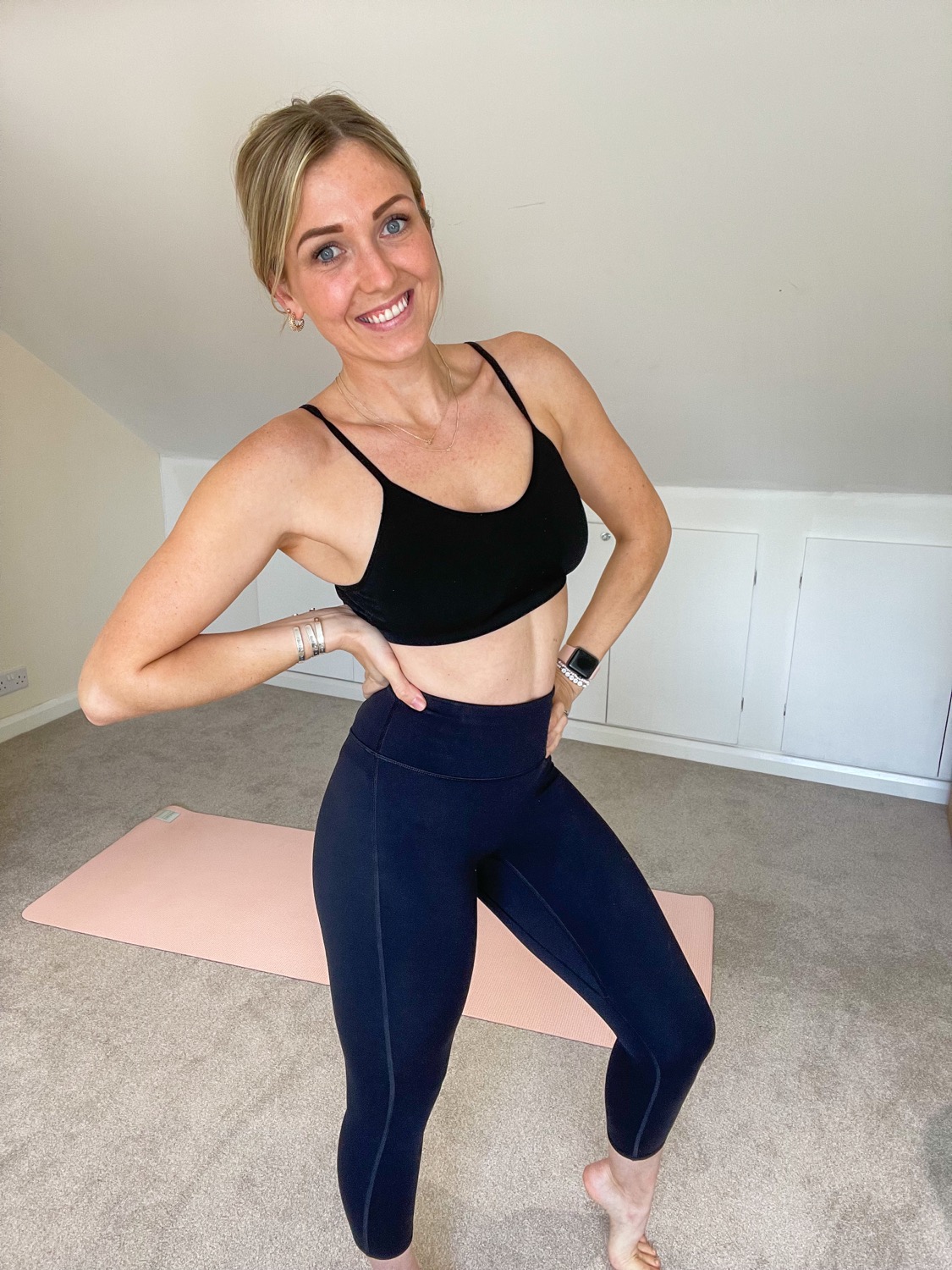
Pregnancy is a transformative journey that brings about significant changes in a woman's body, both physically and emotionally. As such, maintaining a fitness routine during and after pregnancy can be crucial for overall health and well-being. However, navigating fitness during this time requires careful consideration and understanding of the unique needs of pre and post-natal women. This guide will explore essential training principles, exercises, and tips to help expectant and new mothers stay active and healthy.

Understanding the Importance of Pre and Post-Natal Fitness
Benefits of Staying Active During Pregnancy
Engaging in regular physical activity during pregnancy can offer numerous benefits, including:
Improved Mood: Exercise can help alleviate feelings of anxiety and depression, which are common during pregnancy.
Better Sleep: Staying active can promote better sleep patterns, helping to combat insomnia.
Reduced Discomfort: Regular movement can alleviate common pregnancy discomforts such as back pain and swelling.
Easier Labor: Studies suggest that women who exercise during pregnancy may experience shorter labor and fewer complications.
The Role of Post-Natal Fitness
After childbirth, the body undergoes further changes as it recovers from pregnancy and labor. Post-natal fitness is essential for:
Restoring Strength: Targeted exercises can help rebuild core strength and pelvic floor stability.
Weight Management: Regular activity can assist in managing weight gain during pregnancy.
Enhancing Bonding: Engaging in physical activities with your baby can strengthen the parent-child bond.
Boosting Energy Levels: Exercise can help combat fatigue and improve overall energy levels.
Key Considerations for Pre-Natal Training
Consult with Healthcare Providers
Before starting any exercise program during pregnancy, it is crucial to consult with a healthcare provider. They can provide personalized recommendations based on individual health conditions and pregnancy progress.
Focus on Low-Impact Activities
Low-impact exercises are generally safer and more comfortable for pregnant women. Some recommended activities include:
Walking: A simple yet effective way to stay active.
Swimming: Provides a full-body workout while minimizing strain on the joints.
Yoga: Enhances flexibility and relaxation, promoting mental well-being.
Strength Training
Incorporating strength training can help maintain muscle tone and support the body as it changes. Focus on:
Bodyweight Exercises: Squats, lunges, and modified push-ups can be effective.
Resistance Bands: These can provide gentle resistance without straining the body.
Core and Pelvic Floor Exercises
Strengthening the core and pelvic floor is vital during pregnancy. Consider:
Kegel Exercises: Strengthen pelvic floor muscles, which can help during labor and recovery.
Modified Planks: Engage the core without excessive strain.
Essential Post-Natal Training Guidelines
Timing Your Return to Exercise
After childbirth, the timing of returning to exercise can vary. Generally, women can start light activities within a few days after delivery, but it's essential to listen to the body and consult a healthcare provider.
Gradual Progression
Post-natal fitness should focus on gradual progression. Start with:
Gentle Walking: Begin with short walks and gradually increase duration and intensity.
Post-Natal Yoga: Helps in recovery and relaxation while focusing on core strength.
Core Rehabilitation
Rebuilding core strength is crucial post-pregnancy. Focus on:
Diastasis Recti Exercises: These target the separation of abdominal muscles that can occur during pregnancy.
Pelvic Floor Strengthening: Continue Kegel exercises to support recovery.
Incorporating Your Baby
Involving your baby in workouts can be a fun way to bond while staying active. Consider:
Babywearing Workouts: Use a carrier for added resistance during exercises.
Playful Activities: Engage in movements like squats or lunges while holding your baby.
Creating a Balanced Routine
Setting Realistic Goals
Establishing achievable fitness goals can help maintain motivation. Consider:
Short-Term Goals: Aim for small milestones, such as completing a certain number of workouts each week.
Long-Term Goals: Focus on overall health and well-being rather than specific weight loss targets.
Scheduling Workouts
Finding time for fitness can be challenging for new mothers. Tips for scheduling include:
Early Morning Sessions: Exercising before the day begins can be refreshing.
Incorporating Family Time: Engage in activities that involve the whole family, such as walks or outdoor play.
Listening to Your Body
It's essential to listen to your body and adjust workouts as needed. Signs to watch for include:
Pain or Discomfort: If you experience pain, stop the activity and consult a healthcare provider.
Fatigue: Rest is crucial, especially in the early weeks after childbirth.
Nutrition and Hydration
Fueling Your Body
Proper nutrition is vital for both pre and post-natal fitness. Focus on:
Balanced Meals: Incorporate a variety of fruits, vegetables, whole grains, and lean proteins.
Healthy Snacks: Keep nutritious snacks on hand for energy boosts throughout the day.
Staying Hydrated
Hydration is essential, especially during exercise. Tips include:
Drink Water: Aim to drink plenty of water before, during, and after workouts.
Monitor Hydration Levels: Pay attention to signs of dehydration, such as dark urine or excessive thirst.
Seeking Support
Join a Community
Connecting with other expectant or new mothers can provide valuable support. Consider:
Fitness Classes: Look for pre and post-natal fitness classes in your area.
Online Groups: Join social media groups or forums focused on pre and post-natal fitness.
Work with a Professional
If possible, consider working with a certified pre and post-natal fitness trainer. They can provide personalized guidance and ensure exercises are safe and effective.
Conclusion
Navigating fitness during and after pregnancy is a journey that requires understanding, patience, and support. By focusing on safe exercises, setting realistic goals, and prioritizing nutrition, expectant and new mothers can maintain their health and well-being. Remember, every woman's experience is unique, so listen to your body and seek professional guidance when needed. Embrace this transformative time and enjoy the benefits of staying active for both you and your baby.


Comments